
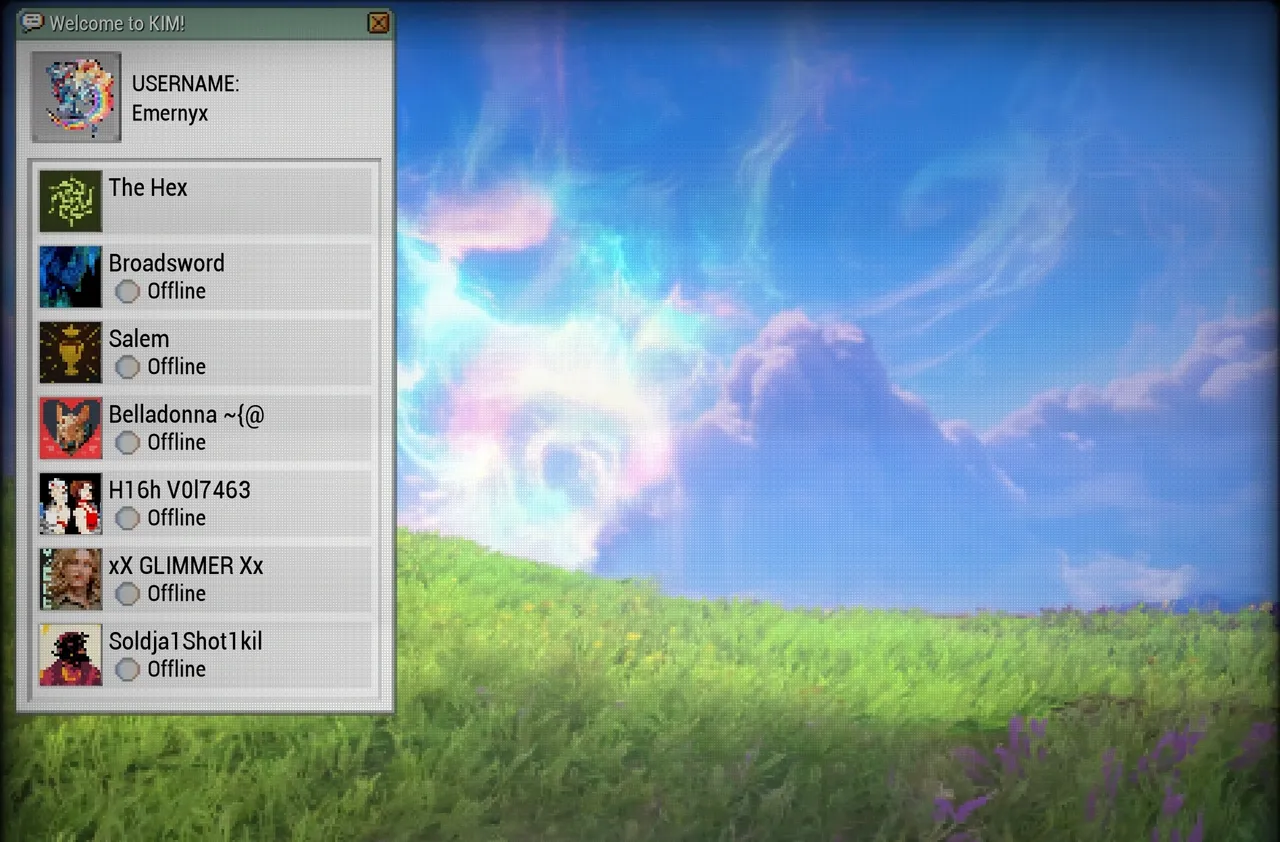
Warframe has always been a game that thrives on player freedom. This ranges from customizing your Tenno’s look to selecting missions that suit your playstyle. With the release of the 1999 update, which introduced a groundbreaking element known as The Hex, the game’s universe has expanded. It now offers rich new storylines, character development, and fresh perspectives on the Tenno’s history. Moreover, with KIM, the online messaging romance simulator, Digital Extremes can enhance inclusivity by making these characters playersexual.
What is Playersexuality?
Playersexuality is a game design approach where characters’ romantic and sexual orientations adapt to the player’s preferences or choices. This ensures that all players, regardless of gender or sexual orientation, can explore meaningful relationships within a game. This includes interactions with The Hex.
Why Playersexuality Fits Warframe’s Ethos
Inclusivity Has Always Been Core to Warframe:
Warframe’s diverse player base includes people from all walks of life. LGBTQIA+ communities like Spectrum Syndicate thrive within its universe. Making The Hex playersexual in KIM aligns with Warframe’s commitment to welcoming and representing all players.
Freedom of Choice is Central to Gameplay:
From choosing your Warframe to customizing your ship and shaping missions, player agency is at the heart of Warframe. Extending this freedom to romantic interactions in KIM gives players deeper connections. They can connect with characters like Arthur, Elanor, Amir, Lettie, Quincy, Aoi, and members of The Hex.
Warframe Avoids Assigning Gender to the Tenno:
One of Warframe’s most unique qualities is that your Tenno’s gender exists solely in your headcanon. The game’s systems have never required players to select a gender for their character. Although there are body type customizations, introducing characters who are only attracted to a finite set of genders would break this precedent. It would force the game to impose a gender identity onto players for the first time. This would cause a dramatic shift in the game’s philosophy, disrupting Warframe’s hallmark of freedom in storytelling.
Expanding Lore Through Personal Connections:
The members of The Hex have compelling backstories explored in Warframe’s 1999 narrative. Allowing these characters to connect romantically with players expands the emotional depth of the story. It respects their individual personalities through meaningful engagements with The Hex.
Development Constraints and Playersexuality:
Warframe does an excellent job of creating a sense of depth for these new characters despite their playersexual nature. This balance allows Digital Extremes to focus on storytelling without the additional burden of implementing branching dialogues based on a player’s gender. The development schedule for the 1999 update already necessitated delaying some content, such as the Technocyte Coda. Adding gender-based branching interactions with The Hex would have further stretched development resources. This could potentially impact the overall quality of the update.
Warframe’s 1999 update and the romance system represent an exciting evolution for the game. By making The Hex playersexual, Digital Extremes can celebrate its diverse community. They can enrich character-driven storytelling and set a new standard for representation in gaming. This approach honors Warframe’s tradition of player freedom. It preserves the headcanon-driven identity of the Tenno while ensuring every player can connect with The Hex in a way that feels meaningful.


